Economic Value That Contributes to a Stronger America
First Solar continues to invest boldly in this country because, as America’s Solar Company™, we are unequivocally all-in on America.
Our commitment to American manufacturing represents the building blocks of American energy security and economic progress: materials sourced, processed, and manufactured into strategically critical energy technology — right here in the United States.
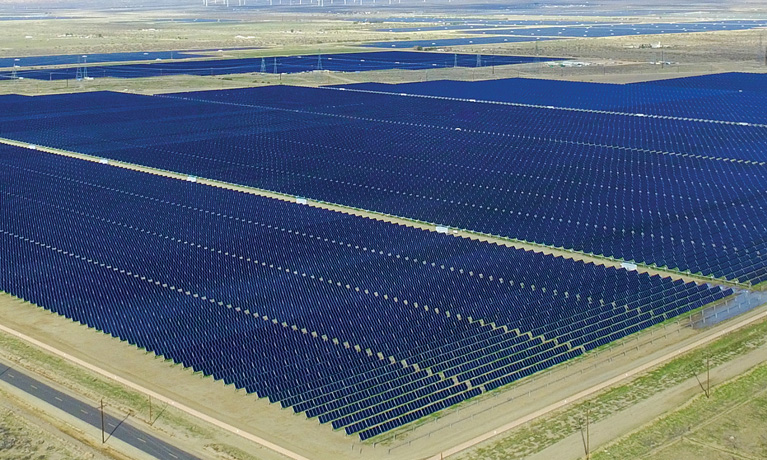
This comprehensive economic analysis — conducted by the Kathleen Babineaux Blanco Public Policy Center at the University of Louisiana at Lafayette — seeks to quantify First Solar’s impact in meaningful terms: jobs, economic output, and value generated in 2025, along with projections for 2027. By 2027, we expect all six of our US manufacturing facilities to be fully ramped, reaching approximately 17 gigawatts of annual domestic nameplate capacity — nearly nine times our US manufacturing capacity in 2020 and the equivalent of building 17 nuclear reactors per year.
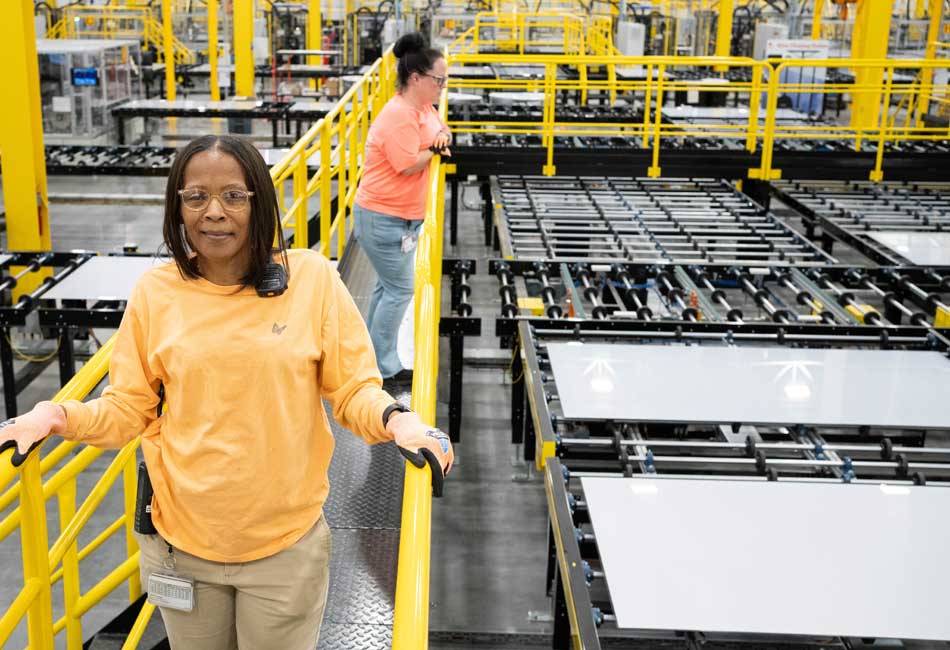
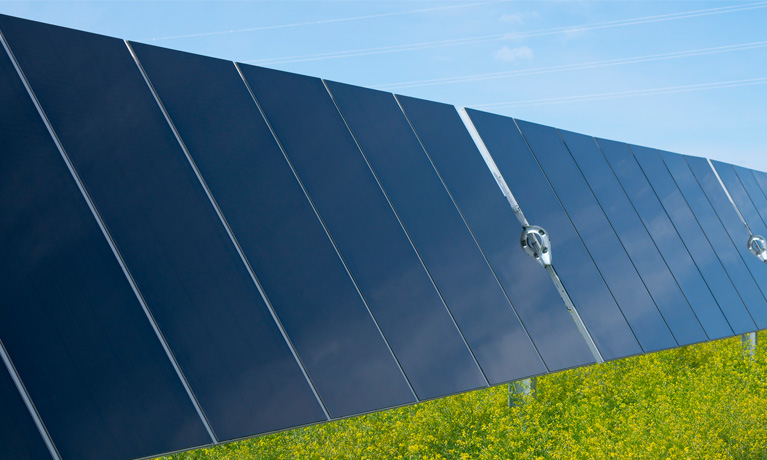
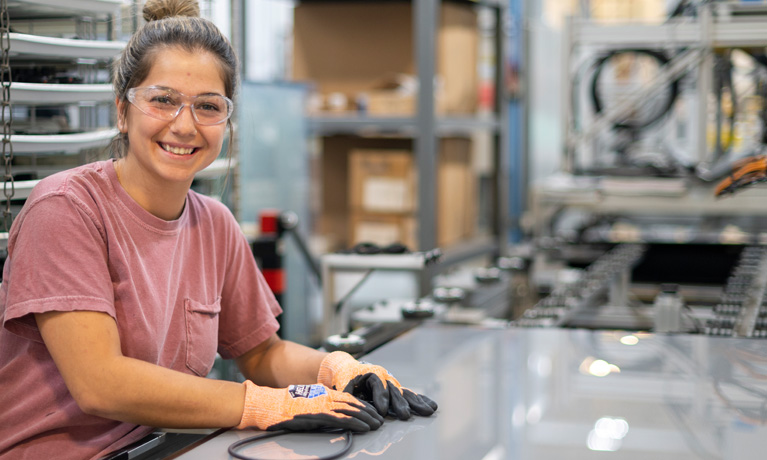
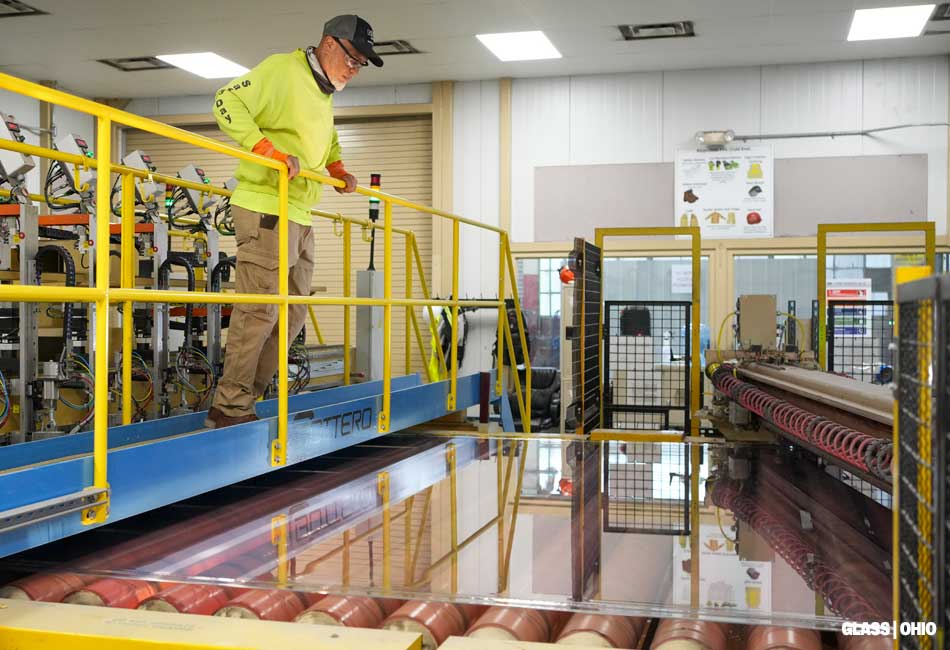
The study’s findings are unique to First Solar, which operates fully vertically integrated solar manufacturing facilities that produce thin film photovoltaic (PV) solar panels in a single process that integrates the manufacturing of wafers and cells. The process allows us to transform a sheet of glass into a fully functional solar panel in approximately four hours. Additionally, we rely primarily on an American value chain for the raw materials, including glass and steel, that enable our US manufacturing operations.
“To be clear, this is not an abstract value, and is measured in paychecks, local investment, and stronger regional economies that benefits Americans across the political spectrum. It’s value that contributes to a stronger America.” — Mark Widmar, First Solar CEO
"This production facility is destined to become a major player in the US renewable energy market, moreover, the Alabama workers at this facility will help break the nation’s dependence on foreign-made solar panels and contribute to our energy independence."
– Governor Kay Ivey, Alabama
“First Solar’s investment is already delivering real results for Iberia Parish and the surrounding region with hundreds of good-paying jobs and new opportunities for Louisiana workers and businesses.”
– Governor Jeff Landry, Louisiana
2025 Operational Impacts
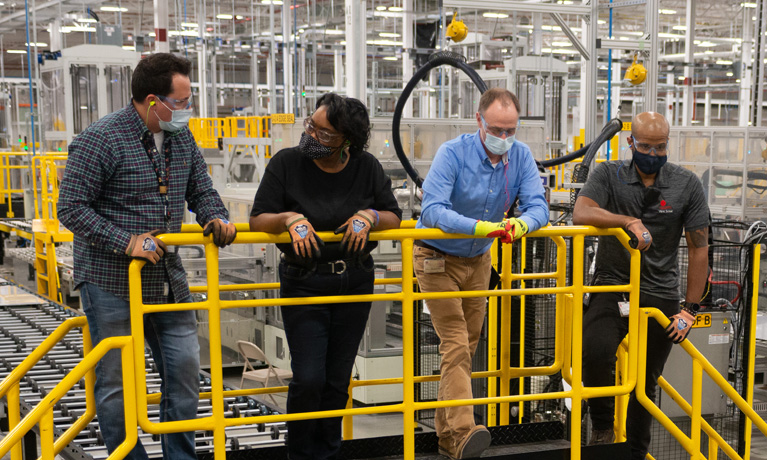
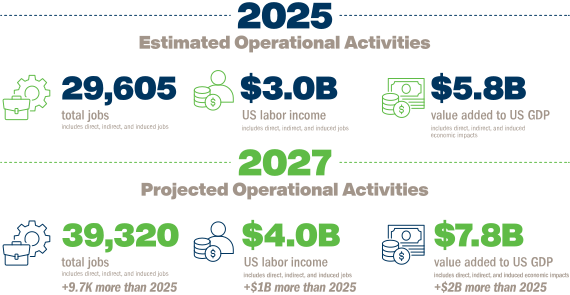
The long-term, recurring impacts of First Solar’s US operations continue to create a stable and lasting contribution to the national economy by supporting high-quality, well-paying jobs and generating substantial economic activity. The company’s 2025 operations are estimated to support nearly 30,000 direct, indirect, and induced jobs across the US economy, with total labor income approaching $3.0 billion. In total, First Solar’s 2025 operations are estimated to support $5.8 billion in value added and approximately $13.8 billion in total output nationwide.
2027 Projected Operational Impacts
By 2027, First Solar expects to operate approximately 17 GW of annual nameplate solar module production capacity across six manufacturing facilities in Alabama, Louisiana, Ohio, and South Carolina. US operations are projected to support nearly 40,000 direct, indirect, and induced jobs across the national economy, generating approximately $4.0 billion in labor income nationwide. In total, First Solar’s projected 2027 operations are expected to support nearly $7.8 billion in value added to the US economy and $18.4 billion in output.
Ohio: 2025 Operational Impacts
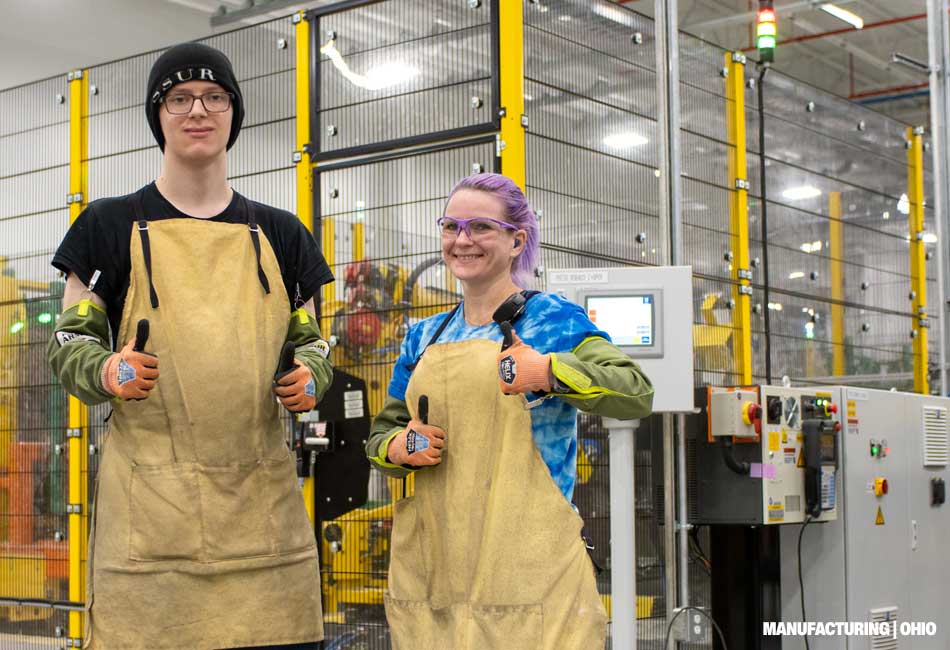
Ohio remains the center of First Solar’s US operations and the company’s largest employment base. In 2025, First Solar’s Ohio operations supported an estimated 9,360 direct, indirect, and induced jobs statewide. These jobs accounted for approximately $792 million in labor income across Ohio in 2025, including both direct wages paid by First Solar and labor income generated through indirect and induced effects. In addition, First Solar’s Ohio operations supported approximately $1.23 billion in value added to the state economy and generated more than $4.25 billion in economic output in 2025.
Alabama: 2025 Operational Impacts
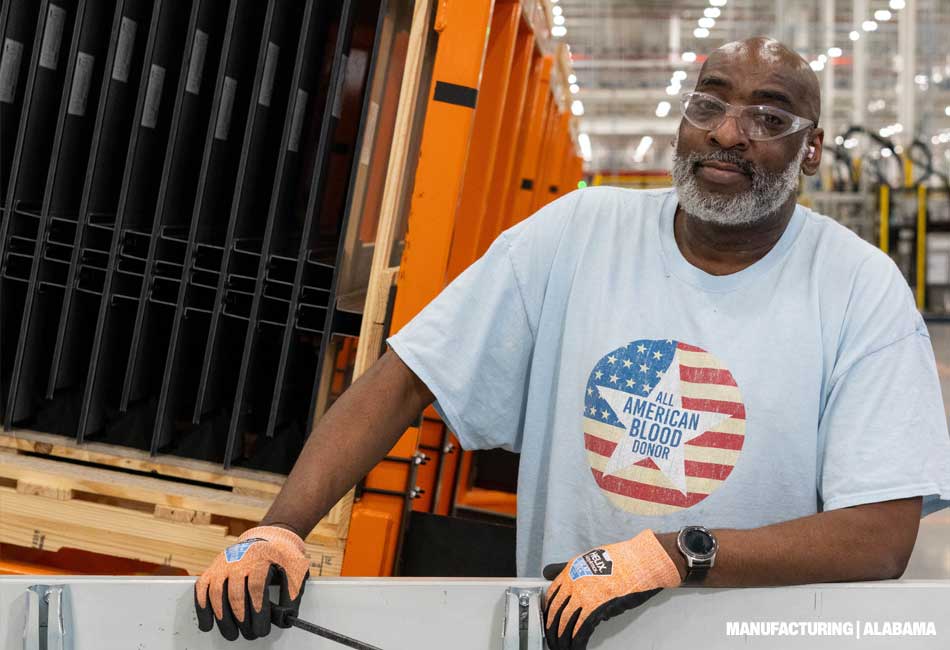
First Solar commissioned a new manufacturing facility in September 2024 in Lawrence County, Alabama. The $1.1 billion facility represents a significant investment in the state’s advanced manufacturing economy. In the facility’s first full year of production, First Solar’s Alabama manufacturing operations supported a total of 1,865 direct, indirect, and induced jobs statewide. Alabama labor income totaled approximately $134.1 million in 2025, including direct, indirect, and induced employment. First Solar’s operations supported approximately $238.4 million in value added to Alabama’s economy and generated an estimated $854.0 million in economic output in 2025.
Louisiana: 2025 Operational Impacts
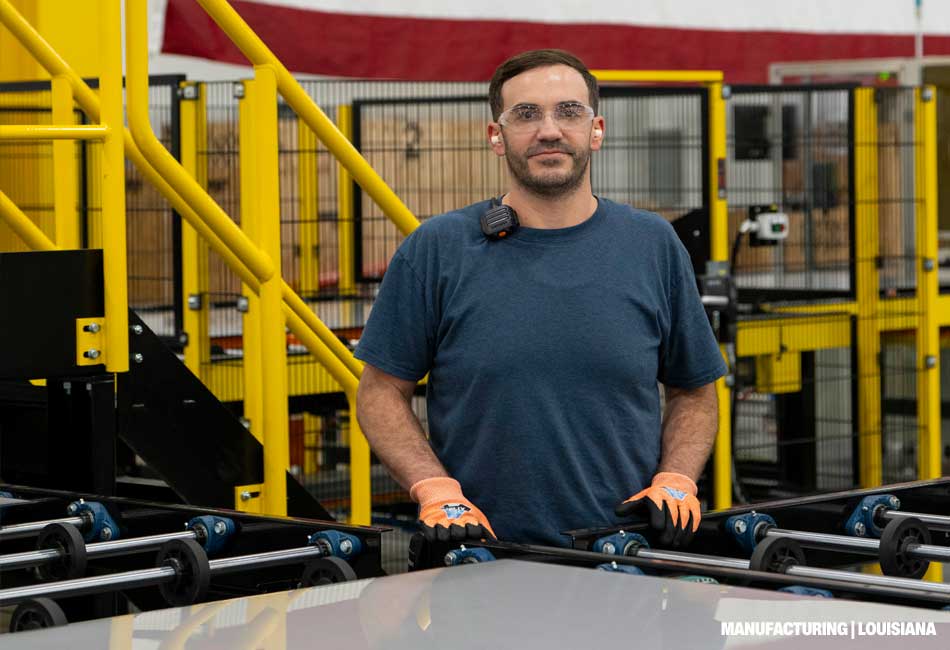
First Solar commissioned a new solar manufacturing facility in November 2025 in Iberia Parish, Louisiana. The $1.1 billion facility represents one of the largest advanced manufacturing investments in the state. State‑level economic impacts for 2025 operations reflect the facility’s initial production ramp. First Solar operations supported a total of 1,970 direct, indirect, and induced jobs statewide in 2025. Labor income totaled approximately $132.2 million in 2025, including direct, indirect, and induced employment. First Solar’s operations supported approximately $211.1 million in value added to Louisiana’s economy. First Solar’s Louisiana operations generated an estimated $734.3 million in economic output in 2025. The impacts of First Solar's operations in the local area are estimated to contribute a 4.4% increase to the GDP of Iberia Parish.
100% American Steel and Glass
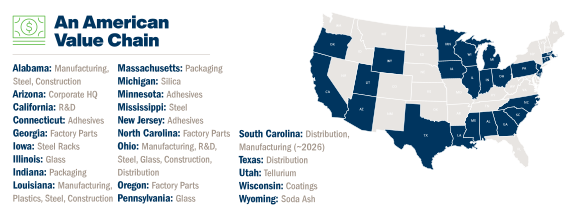
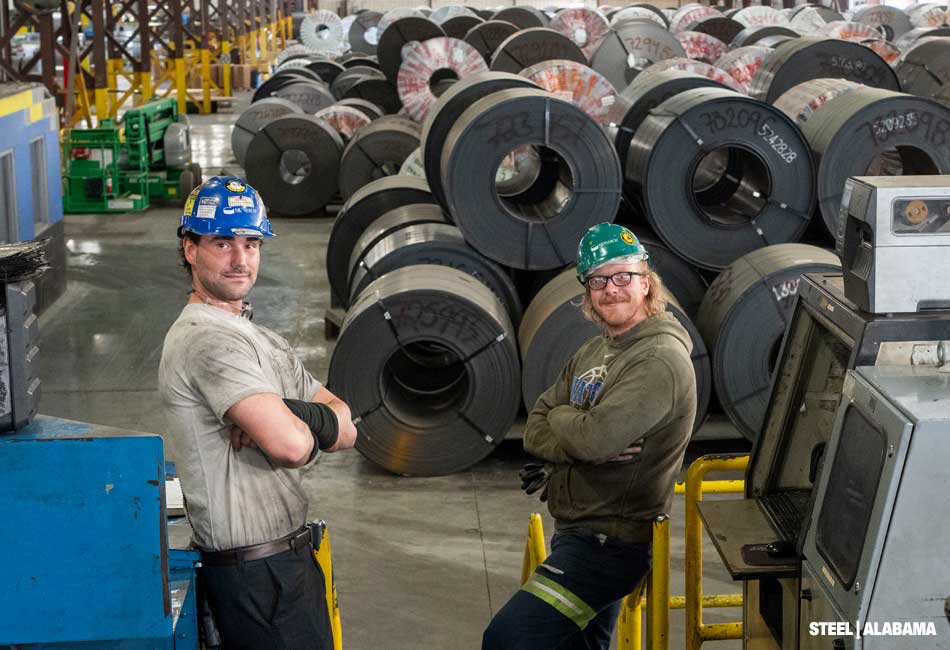
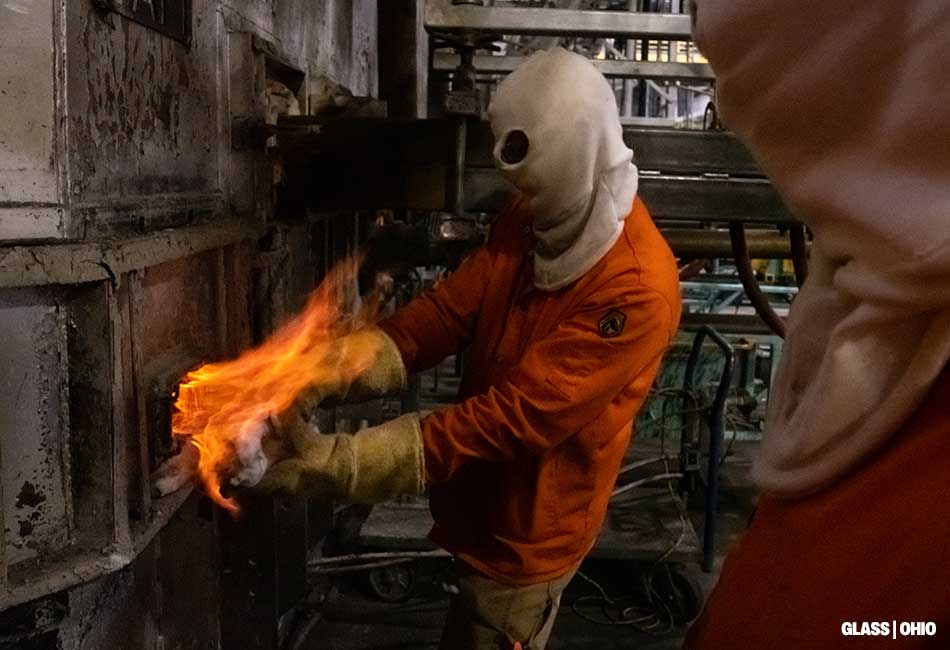
First Solar’s American-made solar panels are produced with American-made glass and steel. Significantly, First Solar’s steel value chain is located within a 100-mile radius of its Perrysburg campus, with steel made in Cleveland, processed in Delta, and fabricated into back rails in Bowling Green. Additionally, First Solar is one of the largest buyers of American-made float glass, consuming approximately 15% of the country’s capacity.
- Capital Expenditure Impact: The economic effects resulting from the company’s investments in capital assets or infrastructure. This includes the construction, maintenance, or improvement of long-term assets such as buildings, factories, equipment, machinery, or technology.
- Direct Impact: The immediate effects generated by the company’s activities, such as employment, salaries and wages, and direct spending on goods and services.
- Employment Impact: The effect of the business’s activities on job creation or loss, including both direct employment within the company and indirect employment in related industries.
- Indirect Impact: The secondary effects resulting from the spending of businesses in the supply chain associated with the company, including supplier purchases and additional economic activity stimulated by the company’s operations.
- Induced Impact: The broader economic effects that arise from the spending of employees and other individuals who receive income directly or indirectly from the company, such as household spending.
- Labor Income: The total wages and salaries of direct and indirect workers associated with the company, including the value of employment benefits.
- Operational Expenditure Impact: The effects that a company’s day-to-day operations and activities have on the economy, including production output, employment levels, and purchases of goods and services from suppliers to run the business.
- Output: The total economic output generated by the company, encompassing the value of goods and services produced and sold by its operations.
- Ratio or Multiplier Effect: The amplification of economic impact as money circulates throughout the economy, creating a ripple effect beyond the initial investment or spending.
- Value Added: The contribution of the company to the economy, or GDP, measured by the difference between its total revenue and the cost of intermediate goods and services purchased.


