The page or document you requested cannot be found.
Please try visiting our homepage and starting your search over.
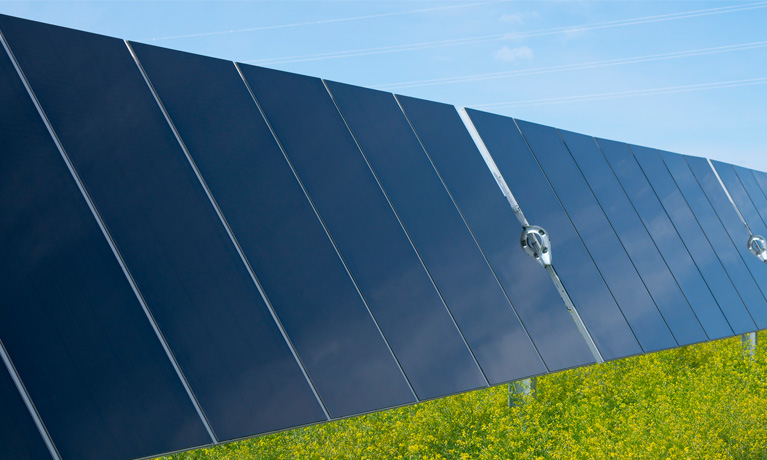
First Solar produces high-quality advanced thin film CdTe PV modules.
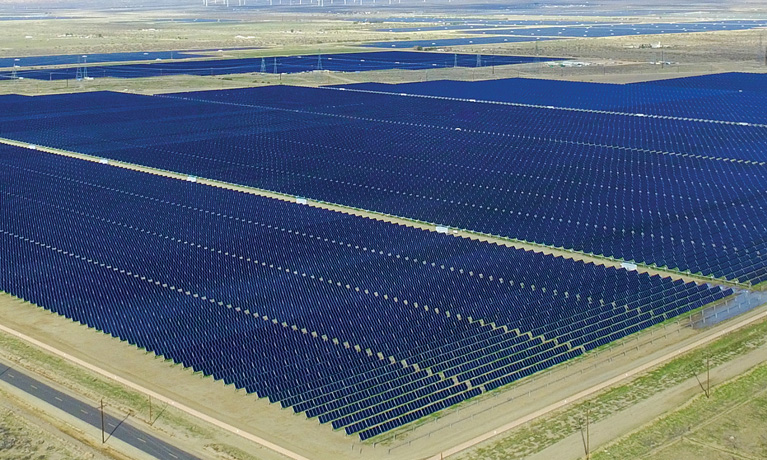
First Solar utilizes an innovative thin film CdTe PV semiconductor that is advantaged against conventional silicon panels in many aspects.

From raw material sourcing and manufacturing through end-of-life module recycling, First Solar’s approach to technology embodies responsibility toward people and the planet.

Studies, reports, and technical documents to support your PV project.
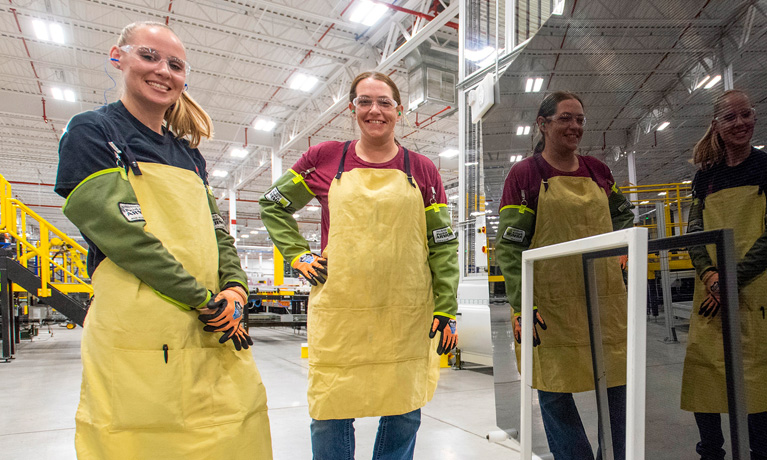
First Solar is a leading American solar technology company and global provider of responsibly produced, eco-efficient solar modules.
Please try visiting our homepage and starting your search over.


